103 Briar Patch Cove, Georgetown, TX, 78633
Bonded & Insured
Georgetown, TX

Georgetown, TX Deck Builder for Shaded, Low-Maintenance Outdoor Living

Georgetown backyards have a hard job. In July the sun pushes the UV index past 10. Dark boards get too hot to walk on barefoot, and untreated pine goes gray and splits in a few seasons. Under the ground it's either limestone a few inches down or Blackland clay that swells and shrinks with every drought and downpour. Sun City Deck Builders designs decks for those conditions: footings sized for your actual soil, cooler composite colors, real shade, and stairs and railings that feel safe underfoot. You get a site visit and clear pricing before we start any work.

We started in Sun City Texas, and that's where we learned what retirees want: low steps, wide stairs, graspable handrails and decking you never have to stain. Since then we've built covered decks, pergolas and deck extensions for young families in Wolf Ranch and Berry Creek. We also work across Serenada, Round Rock, Brushy Creek and Hutto. We know which HOA committees want color samples, which towns run their own permit offices, and where you'll hit rock or clay as soon as you start digging.

  • Building decks in Williamson County since 2020
  • Bonded contractor
  • Fully insured crews
  • Site visit and written pricing before work begins
Free Estimate

Request Your Free Estimate

No obligation. Fast, honest quotes.

Prefer to talk? Call (512) 931-3952 — your details are never shared.

Credentials & Certifications BondedInsuredFinancing Available
What We Do

Deck Building and Repair Services for Georgetown Homes

Every project below is built for Central Texas: footings matched to your soil, materials that hold up to the sun, and designs that fit your HOA's rules. Whether you want a low step-free deck in Sun City or a multi-level deck over Lake Georgetown, here's how we approach it.

Custom Deck Design & Installation

We design the deck around how you'll use your yard: sun angles, views, your setbacks and your HOA's rules. Then we build it from the footings up.

Site measurements, soil checks, scaled drawings and 3D layouts, with material samples you can see in actual Georgetown light.

We use deck extensions to turn builder-grade slabs in Wolf Ranch and Georgetown Village into usable outdoor rooms that clear setbacks and easements.

Best for: Homeowners with a bare backyard and a clear idea of how they want to use it.

Explore
★ Specialty

Composite Deck Installation

We build low-maintenance composite decks with no annual staining and no splinters, and we steer you toward lighter, heat-mitigating board colors.

Capped composite boards, hidden fasteners, the joist spacing and gapping each manufacturer requires, and joist tape to protect the wood framing underneath.

Composite holds up to a UV index of 11 and won't feed termites. That makes it the most popular choice in Sun City and other HOA communities.

Best for: Retirees and busy families who want an attractive deck with little upkeep.

Explore

Wood Deck Construction

We build natural wood decks with properly spaced framing, sealed end cuts and finishes chosen for strong Texas sun.

Ground-contact lumber near soil, coated or stainless fasteners, and a UV-blocking finish right after the wood acclimates.

Wood suits Hill Country and farmhouse exteriors in Berry Creek and on Old Town lots.

Best for: Homeowners who love real wood and don't mind periodic sealing.

Explore

IPE Wood Deck Installation

We install dense Brazilian hardwood decks that resist rot, insects and wear for decades.

Pre-drilled hidden fastening, end-grain sealing and wider joist ventilation so the boards don't cup.

IPE stands up to Central Texas termites and heat, which suits premium view decks near Lake Georgetown.

Best for: Homeowners who want a hardwood deck that lasts as long as possible.

Explore

Cedar Deck Building

We build western red cedar decks with natural color and good dimensional stability.

Cedar decking over treated framing, sealed with a penetrating UV finish.

Cedar matches the limestone and timber look common in Santa Rita Ranch and Crystal Falls.

Best for: Hill Country-style homes that want warm natural tones.

Explore

Pressure Treated Deck Construction

We build cost-effective decks with properly rated treated lumber.

Ground-contact posts, flashed ledgers and a sealer applied once the boards have dried.

Practical for larger acreage lots in Jarrell, Florence and Granger.

Best for: Value-focused projects and large decks.

Explore

PVC Deck Installation

We install all-plastic PVC decking that won't rot, absorb moisture or attract termites.

Light colors to reduce heat, plus expansion gapping sized for Texas temperature swings.

A good fit near pools and irrigated beds, where moisture never lets up.

Best for: Wet zones and homeowners who want almost no maintenance.

Explore

Redwood Deck Building

We build redwood decks with rich color and natural resistance to decay.

Redwood decking over treated framing, finished with a UV-protective oil.

Redwood gives a high-end look to Old Town backyards and covered porches.

Best for: Homeowners after a classic, warm wood appearance.

Explore

Pool Deck Construction

We build slip-resistant, cooler-surface decks around pools.

Textured composite or PVC, drainage-friendly gapping and gates that meet pool barrier rules.

Built to meet pool barrier requirements and local inspections in Georgetown, Round Rock and Leander.

Best for: Families with in-ground pools who want safe footing.

Explore

Rooftop Deck Installation

We design and build rooftop decks over flat or low-slope roof areas.

Sleeper systems that protect the roof membrane, with engineering coordinated where it's required.

Rooftop decks pick up Hill Country views and breezes on modern homes.

Best for: Homes with limited yard space and good views.

Explore

Multi-Level Deck Design

We design tiered decks that step down a sloped lot.

Rock-drilled footings, lateral bracing and landings sized for easy movement between levels.

Suited to limestone slopes over the San Gabriel valley and Lake Georgetown.

Best for: Sloped lots and families who entertain.

Explore

Floating Deck Installation

We build freestanding, low-profile decks that aren't attached to the house.

Engineered blocks or piers, with a design that lets the deck move independently of the house.

Floating decks sidestep slab movement on east-side clay and often simplify permitting.

Best for: Yard retreats and flat prairie lots.

Explore

Hot Tub Deck Building

We build decks framed to carry the concentrated weight of a filled spa.

Tighter joist spacing, extra beams and footings, and an access panel for service.

We size the footings for local soil so the tub stays level as the clay moves.

Best for: Homeowners adding a spa.

Explore

Above Ground Pool Deck Installation

We build decks that wrap all or part of an above-ground pool.

Freestanding framing, locking gates and code-height guards.

Popular on larger rural lots in Weir and Jarrell.

Best for: Families who want a safer, more finished pool area.

Explore

Cable Railing Installation

We install stainless cable railings that keep views open.

Tensioned cable spaced and tightened to meet the 4-inch sphere rule.

Cable railings keep the lake and valley views open on Lake Georgetown and Jonestown decks.

Best for: Decks where the view matters.

Explore

Composite Deck Railing Systems

We install railing systems that match your composite deck.

Manufacturer-tested post mounts and blocking under every post.

Matching rails are often what gets an HOA approval in Sun City and Teravista.

Best for: Composite decks that need a coordinated look.

Explore

Aluminum Railing Installation

We install powder-coated aluminum railings that won't rust or rot.

Black and bronze finishes, with graspable handrail profiles available.

Black metal rails match the modern farmhouse homes found all over Georgetown.

Best for: Low-maintenance, modern designs.

Explore

Deck Stairs & Landing Construction

We build safe stairs and landings with even risers.

Wider treads, lower rises, lighting and graspable handrails.

Accessible stair designs are among our most requested features in Sun City.

Best for: Anyone who wants easier, safer access to the deck.

Explore
★ Specialty

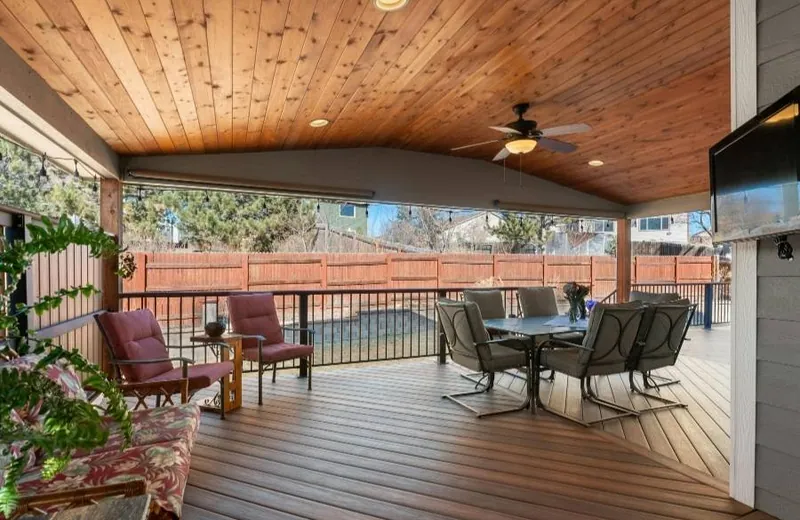
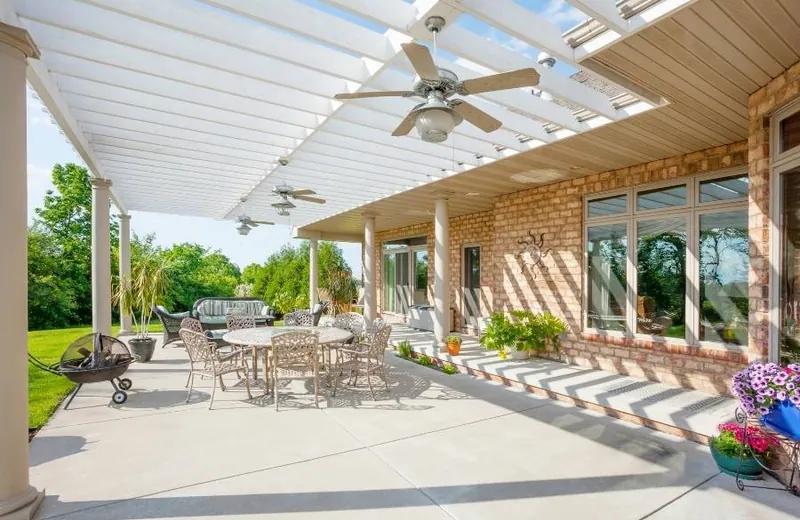
Pergola & Deck Cover Installation

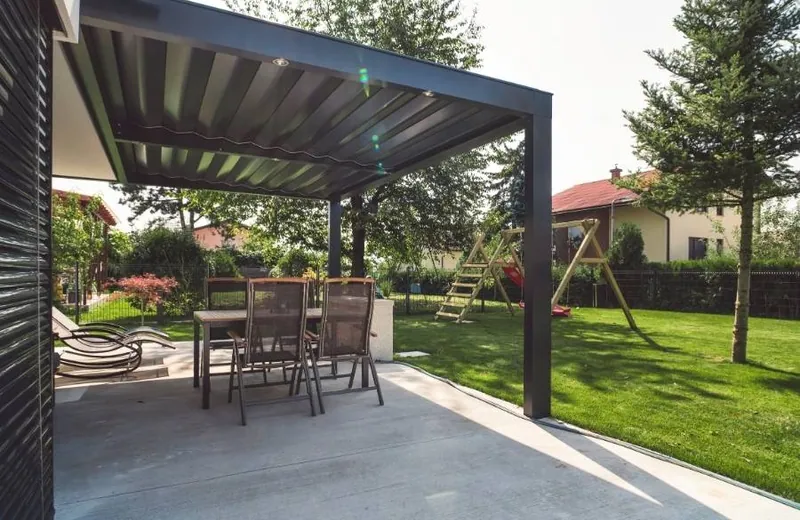
We build pergolas and solid covers that create usable shade during Texas summers.

Uplift-rated connectors, roof tie-ins designed to match your existing roofline, and options for metal standing-seam or louvered roofs.

Shade is the most-requested upgrade in new Georgetown subdivisions. We design every cover to stand up to local hail and wind.

Best for: Unshaded decks and patios, especially on west-facing lots.

Explore

Deck Skirting Installation

We close in the space under a deck with vented skirting.

Composite, lattice or board skirting, with airflow left in for ventilation.

Skirting helps keep fire ants and critters from nesting underneath.

Best for: Elevated decks that need a finished look.

Explore

Deck Cleaning & Washing

We deep-clean decks to remove grime, pollen and mildew.

Gentle washing and cleaners that are safe for wood and composite.

A good routine after cedar pollen season and spring storms.

Best for: Yearly maintenance.

Explore

Deck Staining & Sealing

We apply stains and sealers that block UV and repel water.

Sanding, brightening and penetrating finishes.

Wood decks here need resealing every one to two years.

Best for: Wood decks that have started to gray.

Explore

Deck Painting Services

We paint railings, skirting and trim with exterior coatings.

Proper prep and lighter colors that hold up in heat.

Matches the white and black trim common on farmhouse-style homes.

Best for: Refreshing older decks.

Explore

Deck Resurfacing & Refinishing

We replace worn decking boards on sound framing.

Structural inspection first, then new composite or wood boards.

An affordable upgrade for 2000s decks in Brushy Creek.

Best for: Decks with solid framing and worn-out surfaces.

Explore

Deck Waterproofing Services

We protect framing and the spaces below elevated decks from water.

Joist tape, flashing and under-deck drainage systems.

Essential during bursts of Flash Flood Alley rain.

Best for: Elevated decks with usable space underneath.

Explore

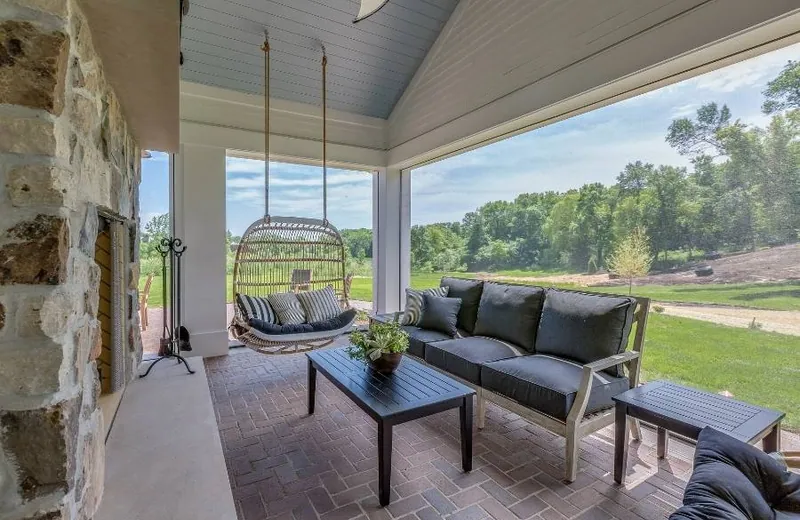
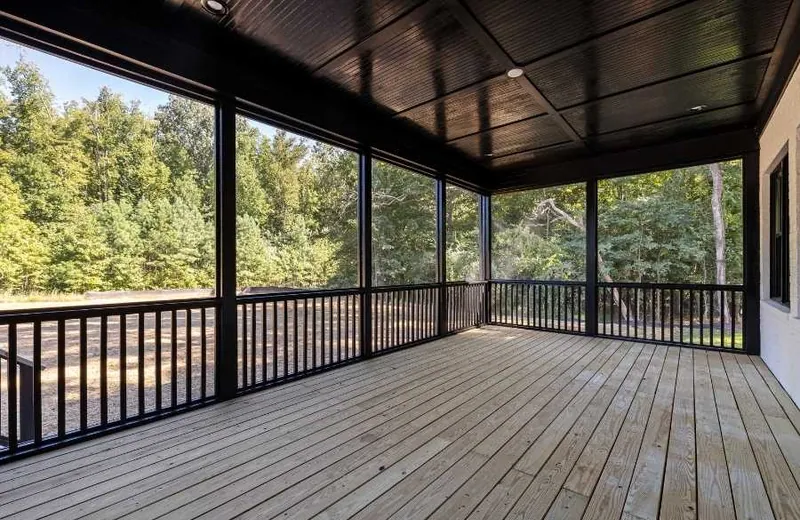
Covered Patio & Deck Enclosures

We build covered and screened outdoor rooms.

Roof tie-ins, screens and ceiling fans prewired for an electrician.

Screened rooms keep mosquitoes out and are a favorite in Sun City.

Best for: Homeowners who want to use the space year-round.

Explore

Ground Level Deck Installation

We build low decks with step-free or single-step access.

Low-profile framing and ventilated, termite-resistant materials.

A natural fit for Sun City's single-story homes.

Best for: Seniors and anyone who needs accessibility.

Explore

Deck Privacy Solutions

We add privacy walls, screens and planters.

Slatted panels built to HOA height limits.

Helpful on the tight lots in newer subdivisions.

Best for: Close-set neighborhoods.

Explore

Balcony Deck Renovation

We rebuild aging balconies and raised porches.

Structural repair, new decking and code-compliant railings.

Old Town porches may need HARC review, and we handle it.

Best for: Historic homes and second-story balconies.

Explore

Cantilever Deck Construction

We build decks that extend past their support beams.

Engineered spans with limited cantilever lengths.

Cantilevers help keep footings out of oak root zones.

Best for: Lots with trees or slope constraints.

Explore

Composite Fence Installation

We install low-maintenance composite fencing.

Concrete-set posts, built to account for soil movement.

Composite fencing pairs well with composite decks in HOA neighborhoods.

Best for: Matching your deck and yard boundary.

Explore

Outdoor Stair Railing Installation

We add handrails to porch, garden and deck stairs.

Graspable profiles with secure post mounts.

Improves fall safety for retirees and aging-in-place homeowners.

Best for: Any outdoor stairs without a handrail.

Explore

Deck Framing & Structural Repair

We repair joists, beams, posts, footings and ledgers.

Sistering, rot replacement, re-footing and lateral load hardware.

We're often called to fix the structure under aging decks in Round Rock and Wells Branch.

Best for: Decks that bounce, sag or lean.

Explore
Know The Signs

Common Deck Problems We See Around Georgetown

Most of the deck failures we find around here come from local conditions: sun, soil, storms, sprinklers and termites. If you know what causes each one and what the early signs look like, you can catch a small repair before it turns into a tear-out or a safety risk.

Ledger Separation and Unflashed Ledger Rot Emergency

The ledger is the board that fastens an attached deck to your house. If water gets behind it, or the fasteners corrode, it can rot or pull away. That's the most common cause of sudden deck collapse.

Why it's common here

Many decks in Round Rock, Wells Branch and Jollyville went up before modern flashing standards. They were nailed to the rim joist with no flashing at all. Central Texas storms can drop inches of rain in an hour, and that water runs straight into the joint. On the clay east side, the house slab and the deck footings move independently, so the connection gets pried open. Sprinklers aimed at foundation beds keep the area wet all summer.

Signs you'll notice
  • Gap opening between the deck and house wall
  • Dark staining or soft wood along the ledger
  • Rust streaks from nails or lag bolts
  • Deck slopes away from the house
  • Bounce or sway near the house connection
  • Interior drywall stains on the wall behind the deck
Local patterns

We find this most often on 1980s–1990s ranch homes in Wells Branch, Jollyville and older Round Rock. It also shows up on early 2000s builds in Brushy Creek, where decks were added before flashing became standard. Expect more of it after a wet spring.

Our fix: Stop using the deck until it's inspected. We remove the failed ledger, flash the wall properly, then reattach with code-compliant through-bolts or structural screws and lateral load hardware.
Footings Heaving or Sinking in Expansive Clay Serious

Expansive Blackland clay swells when it's wet and shrinks when it's dry. Posts and footings ride that movement up and down, which leaves decks out of level, racked or pulling loose at their connections.

Why it's common here

East of I-35, Houston Black clay can move several inches between a drought summer and a wet spring. Shallow, undersized footings and posts set straight in dirt can't resist it. Long dry spells followed by tropical downpours are typical here, and those cycles work the footings loose year after year. New homes in Hutto, Weir and east Georgetown sit on the same clay, so even fairly new decks can start shifting within a few seasons.

Signs you'll notice
  • Uneven or wavy deck surface
  • Doors to the deck sticking or rubbing
  • Stairs pulling away from the landing
  • Gaps between boards opening unevenly
  • Posts leaning or lifted off their bases
  • Cracked concrete at post bases
Local patterns

This is common in Hutto, Taylor, Granger, Weir and eastern Georgetown subdivisions. It gets worse after drought years like 2022–2023 and the heavy rains that followed. Decks next to irrigated beds move the most.

Our fix: We re-level the deck and replace failing footings with deeper, properly sized piers built to resist clay movement. Where the slab and deck move differently, we may recommend a freestanding design.

Sun-Damaged, Checked and Splintering Wood Moderate

UV breaks down the wood surface, and repeated heating and drying opens cracks called checks. Boards gray, splinter and cup, and fasteners start working loose.

Why it's common here

A UV index of 10–11 and weeks above 100°F will wear down unsealed pressure-treated pine in two or three summers. South- and west-facing decks are hit hardest, especially in new subdivisions where there aren't any mature trees for shade yet. Many homeowners moved here from cooler states and don't realize pine needs a fresh seal every couple of years in this climate. Once the checks open, water and termites have an easy way in.

Signs you'll notice
  • Gray, faded boards
  • Splinters catching bare feet
  • Boards cupping or curling at edges
  • Nail and screw heads popping up
  • Water soaking in instead of beading
  • Fine cracks along the grain
Local patterns

We see this on west-facing backyards in Georgetown Village, Teravista and Cimarron Hills, and on pine decks built on unshaded lots after 2015 that nobody has sealed since.

Our fix: We clean and sand the deck, replace boards that are too far gone, then apply a UV-blocking stain or sealer. For badly worn decks, we can resurface with composite over the sound framing.

Hail and Wind Damage to Decks and Shade Structures Serious

Large hail cracks composite caps, dents metal, shreds shade fabric and splits polycarbonate. Straight-line winds stress pergola posts and the connections between a cover and the house.

Why it's common here

Williamson County sits in one of Central Texas's busiest hail corridors. Spring supercells regularly drop hail big enough to damage roofs, so they do the same to deck covers and pergolas. Many builder-grade shade additions were attached without the uplift hardware they needed. Homeowners usually notice the roof damage first and miss the deck until an adjuster has already left.

Signs you'll notice
  • Cracked or pitted decking caps
  • Torn shade sails or punctured panels
  • Dented metal roofing or railings
  • Leaning or loosened pergola posts
  • Gutters pulled away from covers
  • Split rafter tails
Local patterns

Damage clusters after April and May storms. Exposed hilltop lots in Santa Rita Ranch and Crystal Falls and open prairie lots near Hutto take some of the worst wind loads.

Our fix: We document the damage with photos and a written repair scope you can give your insurer. Then we repair or rebuild with stronger uplift connectors and materials rated for impact.

Termite and Rot Damage in Framing Serious

Subterranean termites and fungal rot attack joists, beams and posts from below, often where you can't see it. The deck surface can look fine while the structure underneath has lost much of its strength.

Why it's common here

Termites are active all year because our winters are mild. Many older decks used lumber that wasn't rated for ground contact. Posts were buried in soil and framing sat inches above wet beds. Daily summer irrigation keeps that wood damp, and those conditions feed both termites and rot. Fire ants nesting under low decks add another headache.

Signs you'll notice
  • Mud tubes on posts or footings
  • Soft, crumbly joist ends
  • Hollow sound when tapping posts
  • Mushrooms or fungus under the deck
  • Sagging spots between joists
  • Discarded termite wings nearby
Local patterns

This shows up most on low decks over flower beds in Brushy Creek and Round Rock, and on decks near sprinkler heads anywhere. Old Town porches on pier-and-beam foundations are also vulnerable.

Our fix: We replace damaged members with ground-contact-rated lumber or steel framing, lift wood off the soil, correct drainage and sprinkler overspray, and add proper ventilation.

Unsafe or Outdated Railings and Stairs Moderate

Guards under 36 inches, balusters spaced wider than 4 inches, wobbly posts and uneven stair risers fail current code. They're also among the most common causes of falls.

Why it's common here

A lot of decks here were built under older codes or without permits. Post-to-joist connections loosen over years of heat cycling. In a region with a large retiree population, steep stairs without graspable handrails are a real fall risk. Families moving in with toddlers find balusters a child could slip between.

Signs you'll notice
  • Railing moves when you push on it
  • Gaps wider than 4 inches
  • No handrail on stairs
  • Risers of different heights
  • Stair stringers pulling loose
  • Rusted or missing post hardware
Local patterns

Common in Sun City homes with decks added by previous owners and in 1990s Cedar Park and Jollyville decks. Old Town porches also often have rail heights below modern code.

Our fix: We install new code-compliant aluminum, composite or cable railing systems with tested post mounts. We rebuild stairs with even risers, wider treads and graspable handrails.

Scorching-Hot Decking and No Shade Minor

Dark composite and PVC boards in full sun can get hot enough to burn bare feet. With no shade, the deck sits unused through most of the summer.

Why it's common here

Production builders hand over small slabs with little or no cover, and new subdivisions have no mature trees. Plenty of DIY or budget installs used dark boards that soak up heat. Between June and September, an unshaded west-facing deck can be unusable from noon to sunset.

Signs you'll notice
  • Kids and pets avoiding the deck
  • Boards too hot to touch by midday
  • Furniture and cushions fading fast
  • Family only uses the deck after dark
  • Peeling paint or stain on south exposure
Local patterns

This is the top complaint in Wolf Ranch, Rancho Sienna, Teravista and other new master-planned communities. It's especially bad on west-facing lots.

Our fix: We add a pergola, solid cover or roof tie-in, and specify lighter, heat-mitigating composite colors. For bigger shade, we design covered patio extensions that pass HOA review.

Transparent Pricing

How Much Does a Deck Cost in Georgetown, TX?

Deck prices in Georgetown depend mostly on size, materials, what's under the soil and whether you want shade. Here's what drives your number, plus realistic ranges for typical local projects. You'll get firm pricing after your site visit.

Typical Project

Sun City ground-level composite deck

About 250–300 sq ft, single-step access, wide stairs, aluminum handrails, light-colored boards

$14,000 – $24,000
Typical Project

Round Rock deck tear-out and replacement

Remove a 1990s pine deck of about 250 sq ft and rebuild with treated framing, flashed ledger and new railings

$11,000 – $20,000
Typical Project

Wolf Ranch covered composite deck

About 16x20 ft composite deck with a roof tie-in cover, fan prewire and HOA submittal

$35,000 – $60,000
Typical Project

Lake Georgetown multi-level view deck

About 450–550 sq ft on a limestone slope, rock-drilled footings, cable railing

$50,000 – $90,000
Decking Material Primary Factor

Pressure-treated pine costs the least up front but needs sealing every year or two in our sun. Capped composite and PVC cost more to install but skip the staining, resist termites and come in cooler colors. Cedar, redwood and IPE fall in between or above, depending on the species. Over a deck's lifespan, composite often comes out close to pine once you add up years of restaining, especially on south- and west-facing decks.

Size, Height and Layout Primary Factor

Square footage drives material and labor, but height matters too. A ground-level Sun City deck needs far less framing, bracing and railing than an elevated deck on a Lake Georgetown slope. Multi-level layouts, curves, built-in benches and extra stairs all add labor. Decks more than about 30 inches above grade also need guards and stronger lateral connections, and that adds to the railing budget.

Soil and Footing Conditions Site Factor

Shallow Edwards limestone west of I-35 may call for rock augers, core drilling or surface-mounted footings. Expansive clay east of I-35 may need deeper, larger piers to resist heaving. Either one can change your footing cost noticeably. We check conditions during the site visit, so the expected footing approach is in your proposal from the start.

Shade Structures and Covers Upgrade Factor

A freestanding pergola is the simplest way to get shade. Solid covers tied into your roofline need matching roof materials, flashing, sometimes engineering, and HOA approval for pitch and color. Louvered roofs, metal standing-seam roofs, ceiling fans and lighting all add cost, but they're often what makes a deck usable in July.

Permits, HOA and Railings Secondary Factor

Permit fees vary by city, whether it's Georgetown, Round Rock, Cedar Park or another office. Historic-overlay homes may need HARC review. Railing choice also matters a lot: pressure-treated wood rails are the cheapest, while aluminum, composite and stainless cable systems cost progressively more per linear foot.

Financing is available for qualified homeowners, so you can build the deck you want now and pay over time. Ask about options during your site visit. A well-built deck adds usable living space you can enjoy most of the year in Central Texas. Choosing durable, low-maintenance materials up front usually costs less over time than repeated repairs and refinishing.

Local Expertise

Why Georgetown Decks Need a Builder Who Knows Central Texas

Georgetown sits on the Balcones Escarpment, the line where Hill Country limestone meets Blackland Prairie clay. A deck in western Georgetown and one in Weir can face completely different ground, plus the same punishing sun, hail and HOA rules. Here's what that means for your project.

Heat, UV, Hail and Flash Floods

Summer highs here sit in the mid-to-upper 90s from June through September. 2022 and 2023 brought long runs of 100°F+ days, and UV readings of 10–11 are routine. South- and west-facing boards take the worst of it. Pine checks and cups, and dark composite can get hot enough to burn bare feet. Rain averages around the mid-30s inches a year, but it comes in bursts. We're in Flash Flood Alley, and the San Gabriel forks and Lake Georgetown can rise fast, so drainage under the deck and dry ledger boards matter. Williamson County is also in an active hail corridor, and spring supercells regularly shred shade covers and pergola tops. Freezes are rare but they do happen. Winter Storm Uri in 2021 showed how freeze-thaw can loosen fasteners. Termites and fire ants stay active all year.

Limestone West, Expansive Clay East

West of I-35, in Cedar Park, Leander, Liberty Hill, Jonestown and western Georgetown, soil over Edwards limestone is often only inches deep. Footing holes can hit solid rock, which calls for rock augers, core drilling or surface-mounted footings. East of I-35, in Hutto, Taylor, Granger and Weir, Houston Black clay opens cracks in drought and heaves when it's wet. Footings can lift or settle there, and an attached deck can pull away from a slab that moves on its own schedule. We design footings for the soil we actually find on your lot. A builder who uses the same footing everywhere ends up with decks that rack, sink or separate from the house.

Builder-Grade Backyards and Aging Decks

Most homes here are new. Lennar, Del Webb, Perry, David Weekley, Taylor Morrison and Highland built tens of thousands of slab-on-grade houses after 2015. Most came with a small concrete patio and no shade, so deck extensions and covered decks are the most common upgrades. Sun City Texas, built in phases since 1995, needs low-profile, step-free designs for single-story living. Older neighborhoods are a different story. 1980s and 1990s ranch homes in Round Rock, Wells Branch, Jollyville and Brushy Creek still have original pine decks with rotted joists, unflashed ledgers and railings below code. Old Town's Victorian cottages and bungalows sit on pier-and-beam foundations with raised wood porches.

Permits, HOAs and Historic Overlays

The City of Georgetown generally requires a permit for attached decks, decks more than about 30 inches above grade, covered decks, attached pergolas and anything with electrical work. Inspections check footings, ledger flashing, 36-inch guards, 4-inch baluster spacing, stair geometry and lateral load connections. Round Rock, Cedar Park, Leander, Pflugerville, Hutto, Taylor and Liberty Hill each run their own permit departments, and ETJ and unincorporated lots follow county rules. Street-visible work in the Downtown and Old Town Overlays may need HARC review. Sun City, Wolf Ranch, Teravista, Berry Creek and Santa Rita Ranch all require architectural committee approval, which can add weeks. Lots over the Edwards Aquifer zones or in the San Gabriel floodplain can face extra review.

Sun City Deck Builders Deck Builder in Georgetown, TX project in Georgetown, TX (1)
Georgetown, TX
Sun City Deck Builders Deck Builder in Georgetown, TX project in Georgetown, TX (2)
6+ Years
Talk to a Local Expert
The Sun City Deck Builders Difference

Why Georgetown Homeowners Choose Sun City Deck Builders

We Know Both Sides of the Escarpment

Georgetown is one of the few places where a builder can hit solid limestone in the morning and dig in expansive clay that afternoon. We plan footings around what's actually under your yard. On the Hill Country side that might mean rock drilling or surface-mounted footings, and on the prairie side deeper piers built to handle clay movement. That's what keeps a deck level, solid and attached years after the crew leaves. Plenty of out-of-area contractors use the same footing everywhere. Around here, that's how decks end up racking and separating from the house.

Designed for Sun City and Accessibility

Our name comes from the community we know best. Sun City residents taught us what matters when you're planning to stay in your home a long time: step-free or single-step thresholds, wider stairs with shallow risers, graspable handrails and slip-resistant surfaces that stay cooler in the sun. We apply the same thinking anywhere it helps, from parents with mobility needs to families who just want a safer place for kids to play. Accessibility gets planned in from the start instead of bolted on later.

Bonded and Insured

Sun City Deck Builders is bonded and insured. That protects you, your home and your neighbors while we work. Many of our clients moved here from other states and don't have local contractor referrals yet, so we're glad to show proof of coverage before any work begins. You're making a big investment in your home, and you shouldn't have to take anyone's word for it.

HOA Submittal Help Included

Sun City Texas, Wolf Ranch, Berry Creek, Teravista and Santa Rita Ranch all require architectural approval before you build. Submittals can get sent back over a color, a missing elevation drawing or a roof pitch on a cover. We prepare the drawings, material specs and color samples your committee expects, then handle the city or county permit for your address. You don't have to figure out which office covers your lot.

Clear Pricing Before Any Work Starts

Every Georgetown project starts with a site visit and a written, itemized proposal. You'll see what you're paying for materials, footings, railings, covers and permits before you commit. If we expect rock drilling or deeper footings because of your soil, we'll tell you up front instead of springing it on you mid-project. Financing is available if you'd like to spread out the cost.

Built for Heat, Hail and Termites

We pick materials for Central Texas, not for a showroom. That means lighter composite colors that stay cooler, ground-contact-rated lumber or non-wood materials near the soil, joist protection, hardware that resists corrosion, and uplift connectors on every pergola and cover. After hail, we document damage with photos and a written scope you can share with your insurer. A deck that's built right handles our extremes much better.

Local Crews Who Show Up

With Samsung, Dell and nonstop homebuilding pulling skilled trades in every direction, plenty of homeowners here have waited weeks for contractors who never called back. We work within a 20-mile radius of Georgetown, so our crews are close by and schedules stay realistic. In summer we start early to work around the worst heat, and we keep you updated from approval through the final walkthrough.

Simple & Transparent

Our Deck Building Process

No guesswork and no surprise invoices. Every Georgetown project follows the same five steps, so you know what's next, who's handling it and roughly how long it'll take.

Site Visit and Consultation

Usually within 1–2 weeks of your call; about 60 minutes
  • Walk the yard and look at sun angles and drainage
  • Check the soil type and likely rock or clay conditions
  • Review setbacks, easements and HOA rules
  • Talk through materials, shade and accessibility

Local note: West-side lots get checked for shallow limestone, and east-side lots for clay movement.

Design and Clear Pricing

About 1–2 weeks
  • Scaled drawings and material selections
  • Itemized written proposal
  • Financing options explained if you want them
  • Revisions until the design fits your budget

HOA and Permit Approvals

About 2–6 weeks, depending on the HOA and city
  • Prepare HOA architectural submittals
  • Submit permits to the right city or county office
  • Coordinate HARC review for Old Town or downtown homes
  • Call Texas 811 to locate utilities

Local note: Sun City, Wolf Ranch and Teravista committees each have their own review schedules.

Construction

Often 3 days to 3 weeks, depending on size
  • Dig footings, with rock drilling where needed
  • Install framing, ledger flashing and decking
  • Install railings, stairs and covers
  • Schedule inspections as required

Local note: In summer we start early to work around the worst heat, and we protect oak root zones.

Final Walkthrough and Care Guide

Final day
  • Walk the finished deck with you
  • Confirm all inspections have passed
  • Leave you care instructions for the Texas climate
  • Clean up the site
Trusted Locally

A Bonded, Insured Deck Builder Georgetown Can Trust

Building Decks Since
2020
Georgetown, TX

Our customers include Sun City retirees and young families in Wolf Ranch. Ask us for references from homeowners in your part of Williamson County and see how their decks have held up through Central Texas summers.

20-Mile
Service Radius Around Georgetown
Bonded & Insured
Protection on Every Project
Financing
Available to Qualified Homeowners
BondedInsuredFinancing Available
Where We Work

Deck Builder Serving Georgetown and Williamson County

We build within about 20 miles of Georgetown, an area that runs from Hill Country limestone to Blackland Prairie clay. Each town has its own soil, its own permit office and its own HOA habits, and we plan every project around them.

Georgetown and North

GeorgetownSerenadaJarrellFlorence

East: Blackland Prairie

WeirHuttoTaylorGranger

South: Round Rock Area

Round RockBrushy CreekWells BranchJollyvillePflugerville

West: Hill Country

Cedar ParkLeanderLiberty HillJonestown

Not sure if we cover your area? Call (512) 931-3952.

Find Us

Serving Georgetown, TX & Nearby

103 Briar Patch Cove, Georgetown, TX, 78633 · Mon-Fri: 7:00 AM - 9:00 PM · Sat-Sun: 7:00 AM - 6:00 PM

GeorgetownSerenadaJarrellFlorenceWeirHuttoTaylorGrangerRound RockBrushy CreekWells BranchJollyvillePflugervilleCedar Park
Questions & Answers

Georgetown Deck Building FAQs

How much does a new deck cost in Georgetown, TX?

Most new decks around Georgetown land somewhere between about $11,000 and $90,000. A modest ground-level composite deck in Sun City often runs $14,000–$24,000. Covered composite decks with a roof tie-in typically fall between $35,000 and $60,000. Elevated, multi-level view decks on limestone slopes cost the most. Material choice, height, footing conditions and shade structures drive the final number. We give you itemized written pricing after a site visit, so you'll know about any rock drilling or deeper clay footings before you sign anything. Financing is available if you'd like to spread out payments.

Do I need a permit to build a deck in Georgetown?

Usually, yes. The City of Georgetown generally requires a building permit for attached decks, decks more than about 30 inches above grade, covered decks, attached pergolas and anything involving electrical work. Inspections check footings, ledger flashing, 36-inch guard height, 4-inch baluster spacing and stair geometry. Round Rock, Cedar Park, Leander, Pflugerville, Hutto, Taylor and Liberty Hill each have their own permit offices, and unincorporated or ETJ lots follow county rules. Homes in the Old Town or Downtown Overlay may also need HARC review for work visible from the street. We figure out which rules apply to your address and handle the paperwork.

How long does it take to build a deck?

Construction itself usually takes about 3 days for a simple ground-level deck and up to 3 weeks for large covered or multi-level projects. The full timeline from first call to finished deck is often 4–10 weeks. Design takes 1–2 weeks. HOA approval can add 2–6 weeks, since Sun City, Wolf Ranch and Teravista committees all meet on their own schedules. City permit review time varies by jurisdiction. Spring is our busiest season, so starting the planning in winter helps you get the deck in time for patio weather.

Will you help with my HOA approval?

Yes, it's part of every project. Most master-planned communities around Georgetown, including Sun City Texas, Wolf Ranch, Berry Creek, Teravista and Santa Rita Ranch, require architectural committee approval before you build. Committees typically review materials, colors, height, placement, cover roof pitch and pergola style. We prepare the drawings, product specifications and color samples they expect. That cuts down on the back-and-forth that stalls many projects. If the committee asks for changes, we revise the plans and resubmit.

Composite or wood: which is better for Texas heat?

For most Georgetown homeowners, capped composite in a lighter color is the better long-term choice. It doesn't splinter, termites won't eat it, and it never needs staining. Untreated pine in our UV conditions grays and checks within a few summers. Composite does get hot in full sun, especially the dark colors, so we steer clients toward heat-mitigating lines and pair the deck with shade. Wood, especially cedar or IPE, is still a great choice if you love natural grain and don't mind resealing every year or two.

How do you build footings on limestone or clay soil?

We design footings for the ground we find on your lot. West of I-35, in places like Cedar Park, Leander, Liberty Hill and western Georgetown, limestone often sits inches below the surface. There we use rock augers, core drilling or surface-mounted footing approaches as conditions require. East of I-35, in Hutto, Taylor, Weir and Granger, expansive clay shrinks and swells, so we use deeper, properly sized piers and may recommend a freestanding deck that won't fight the slab's movement. Getting this right keeps the deck level and attached.

How can I make my deck last longer in Central Texas?

Prevention comes down to managing water, sun and pests. Point sprinklers away from deck framing and footings. Keep soil and mulch from touching wood posts. Clean the deck each spring after cedar pollen season, and reseal wood every one to two years before graying sets in. Check railings and stairs for looseness, especially after a hail or wind event. Look for mud tubes on posts, which mean termites. A quick look underneath twice a year, once in spring and once in fall, will catch most problems while they're still cheap to fix.

When should I repair versus replace my deck?

Act right away if the deck bounces, leans, pulls away from the house, or has soft wood at the ledger. Those are collapse warning signs, so stay off it until it's inspected. If the framing is sound and only the boards are worn, resurfacing or refinishing is usually the most cost-effective fix. Full replacement makes sense when joists are rotted or termite-damaged, the ledger was never flashed, or the railings and stairs fall well below current code. That's common on 1980s–1990s decks in Round Rock, Wells Branch and Jollyville. We'll tell you honestly which option makes sense.

Schedule Your Georgetown Deck Site Visit

Whether you're picturing shaded evenings off a builder-grade slab or need to replace an aging deck, the first step is an on-site visit. We'll look at your soil, sun and HOA rules before you spend a dollar.

  • On-site consultation and soil assessment at your home
  • Itemized written pricing before any work begins
  • HOA architectural submittal help
  • Permit coordination with the right city or county office
  • Material recommendations for Texas heat, hail and termites
  • Accessible, low-step design options for aging in place
  • Financing available for qualified homeowners

We serve Georgetown, Sun City, Serenada, Round Rock, Hutto, Brushy Creek, Leander, Cedar Park and other communities within about 20 miles.

Deck pulling away from the house or damaged by hail? Stay off the deck and call us. We'll prioritize the inspection and document the damage for your insurance claim.

Bonded • Insured

Call (512) 931-3952 Free Estimate